Knowledge translation in creating documentaries
Guest: Maureen Palmer (documentarian and author)
What does Maureen Palmer do? Having many roles, it was hard to answer that question, until her daughter came up with an apt description – “knowledge translation.” And as a creator of documentaries which take time to make, that knowledge translation has to anticipate what the public wants to talk about months from now. To her, this is key to being successful and a big reason to keep her eyes and ears open.
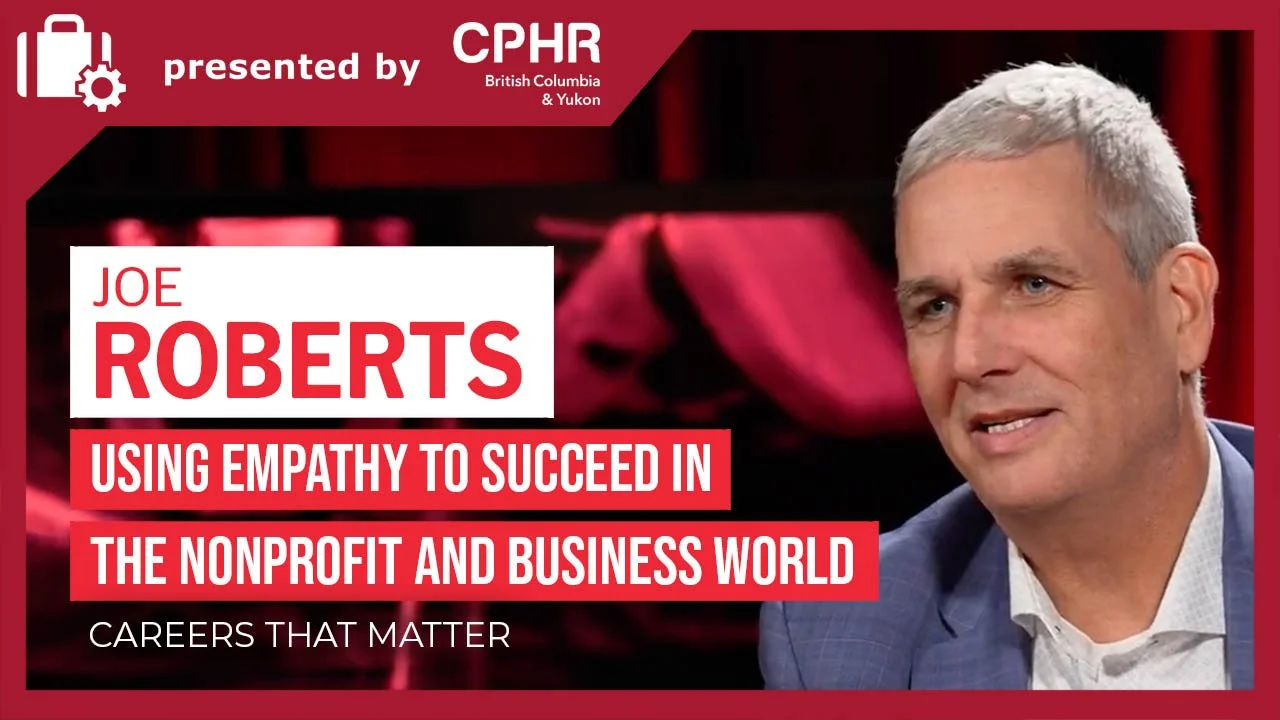
Can “encourager” be a job? For Joe Roberts, that is how he sees himself in a world full of change and uncertainty. In his Push For Change Foundation, he seeks to better protect kids so they don’t fall through the cracks. And he isn’t just all talk – he draws on his own struggles with being a homelessness youth in the Downtown Eastside of Vancouver. On top of his foundation, he also does public speaking at conferences, where he uses his empathy to understand how to speak to each audience.
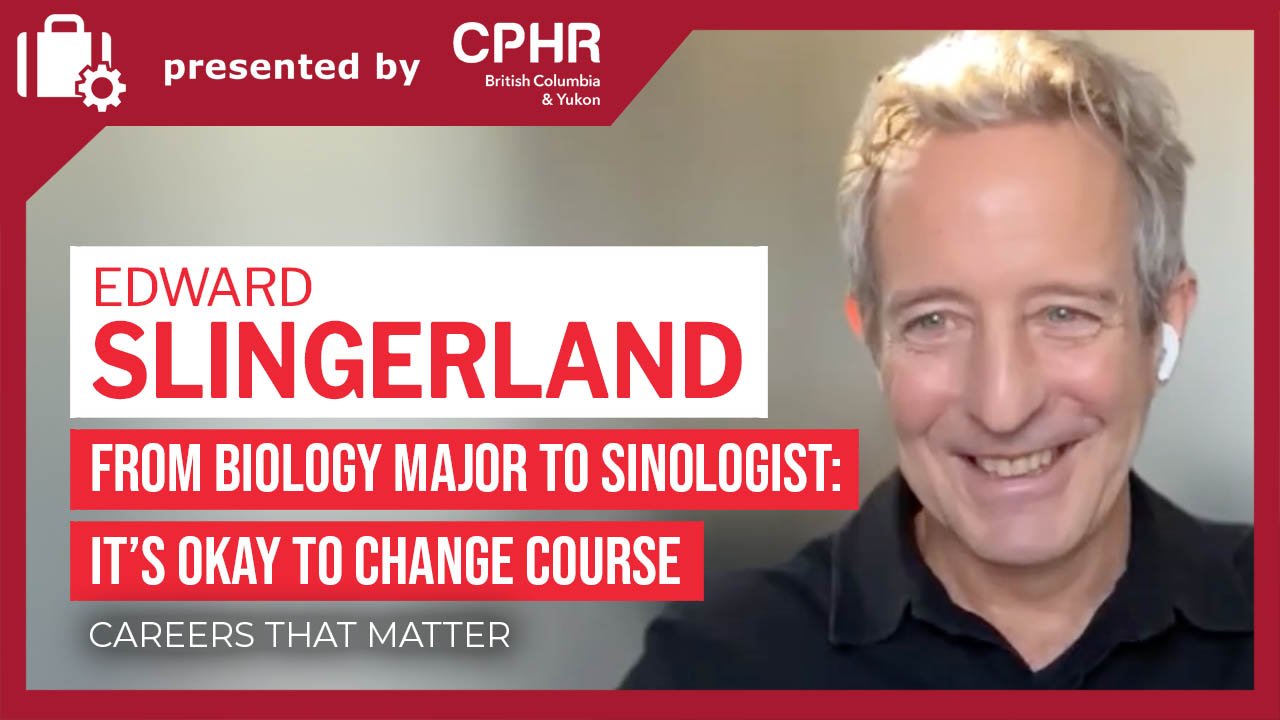
Would you thrive on a typical 9-to-5 schedule? For Edward Slingerland, his answer would be no – the fact that he is on the faculty of two separate universities is proof of that. Not to mention, he is a sinologist and religious studies professor who originally studied molecular biology. After discovering himself, he learned that it is okay to change course if your passion is elsewhere. As he says: “What does your preferred day look like?” – answering that will lead to what you are meant to do.
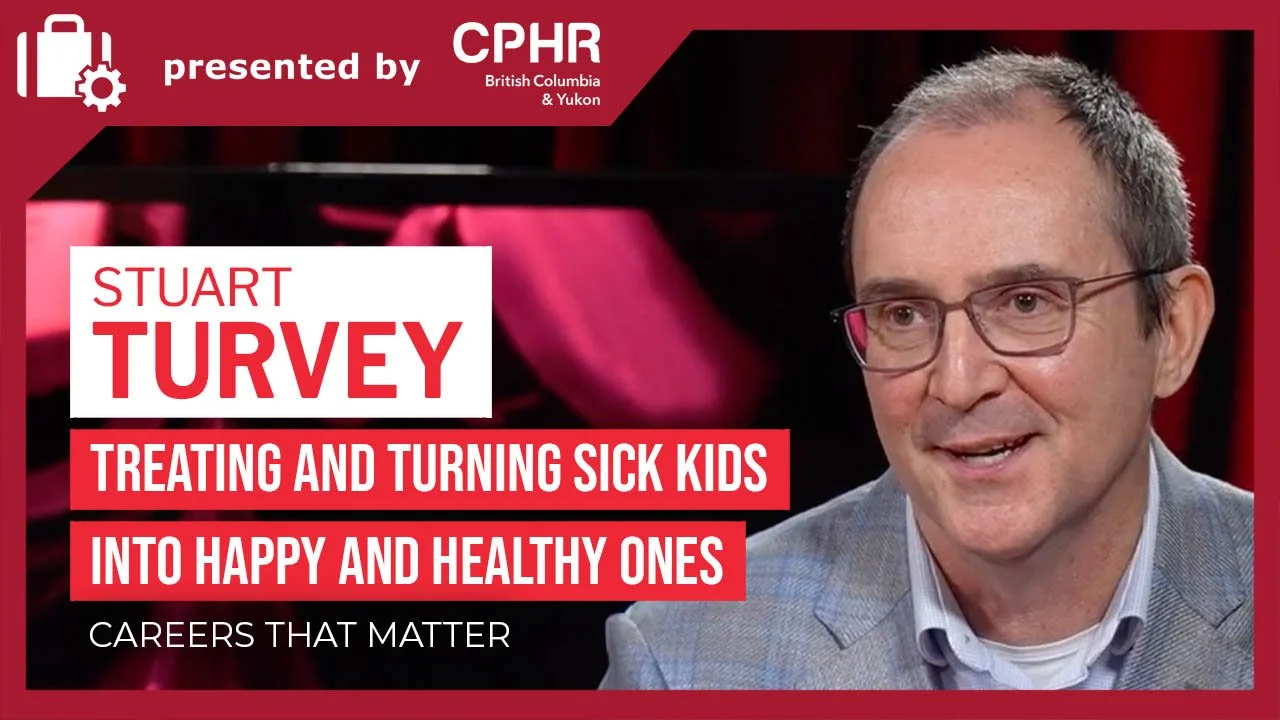
Children’s health is a complex and sensitive field. As a pediatrician, Dr. Stuart Turvey diagnoses a huge variety of illnesses and conditions in children – while dealing with scared kids and parents, with the goal of turning them into happy and healthy ones. All the while, he also researches these health conditions and their causes, while keeping in mind the social and emotional impacts of the kids’ health journeys.
Research is more than just digging for information; it is also about teaching. This is what Iman Goodarzi does, in his dual role as a public scholar and PhD candidate. In academia, he finds that his work day is more flexible in terms of timing, but the trade-off is that this is never-ending work – passion for the work and time management skills are vital for him.