Guest: Dr. James Smith (founder of an anti-genocide organization)
Dr. James Smith started Aegis Trust in a mission to prevent genocide. That is easier said than done – it involves talking to community leaders in places where there is an uptick in violence, giving them solutions to prevent escalation, and how to build their way out of conflicts.
For him, learning is key. He spends much of his time exchanging ideas, sharing lessons that were gained from the Rwandan genocide, developing institutes that raise public awareness around genocide, and spreading the lesser-known stories from Rwanda that can help the rest of the world.
How does the Kettle Society, a mental health and housing nonprofit, get its funding? That is the challenge that Michelle Vanderzon tackles, in her role as the director of philanthropy. This is often in the form of grant writing and applications, which relies on a variety of strategies, such as storytelling and building relationships with companies, family foundations, and those who care about the mission.
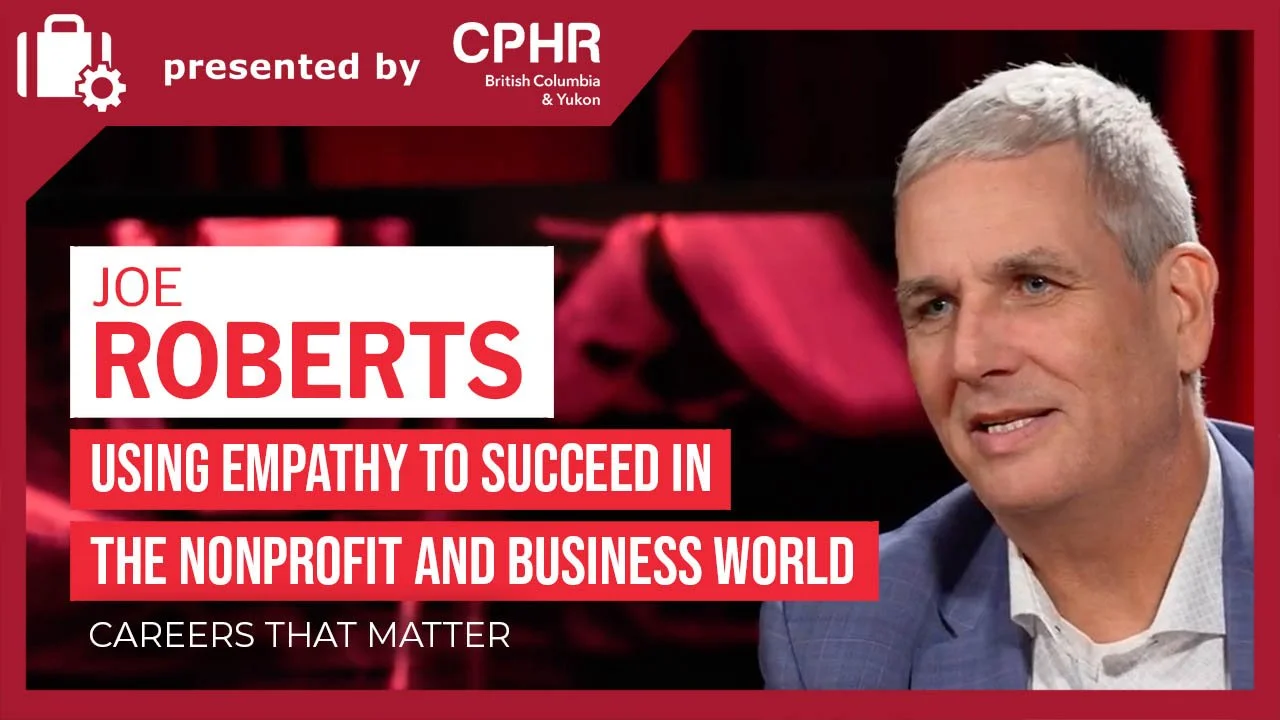
Can “encourager” be a job? For Joe Roberts, that is how he sees himself in a world full of change and uncertainty. In his Push For Change Foundation, he seeks to better protect kids so they don’t fall through the cracks. And he isn’t just all talk – he draws on his own struggles with being a homelessness youth in the Downtown Eastside of Vancouver. On top of his foundation, he also does public speaking at conferences, where he uses his empathy to understand how to speak to each audience.
How do you allow men to live longer and healthier lives? As CEO and president of the Canadian Men’s Mental Health Foundation, that is Kenton Boston’s job. To be successful, he had to be good at elevating each member of his small team, so that they can solve difficult tasks and challenges, especially when spanning provinces, time zones, and community types.
How do you build affordable housing? This is Muktar Latif’s job, as CEO of the Pomegranate Housing Consultancy. He supports governments and other entities in figuring out ways to address housing solutions – it is a job he loves, to the point where it doesn’t feel like work. This is a far cry from his background in chemistry but due to science not paying well in the 1980s, he switched careers to real estate, revealing the path to his future career.