Guest: Diana MacKay (health journalist and advisor)
Is Diana MacKay a thinker? A change maker? Or an advisor? To her, there might never be a way to classify her career with a single role. Currently, she is working as a health journalist – something that was unplanned, initially to help her father but the role morphed into something more. Unlike her father, she is not a doctor, which forces her to pivot her role into more of a health advisor instead of medical expert. This allows her to topic issues such as the impact of housing on health, which may not neatly or formally fit into the world of medicine.
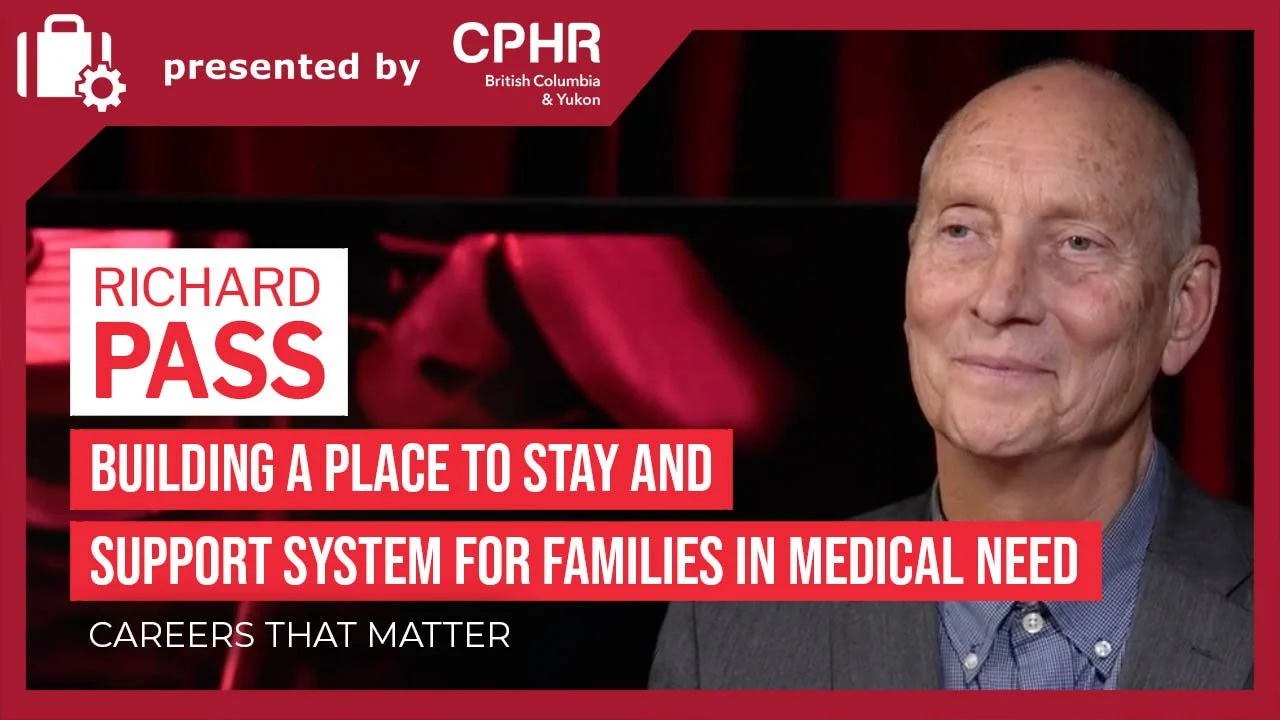
Supporting families during the worst part of their lives is what drives Richard Pass in his role as CEO of Ronald McDonald House in British Columbia. This includes not only building a place for families to stay during medical appointments, but also supporting the families themselves and fundraising enough to sustain the services and support that they need.
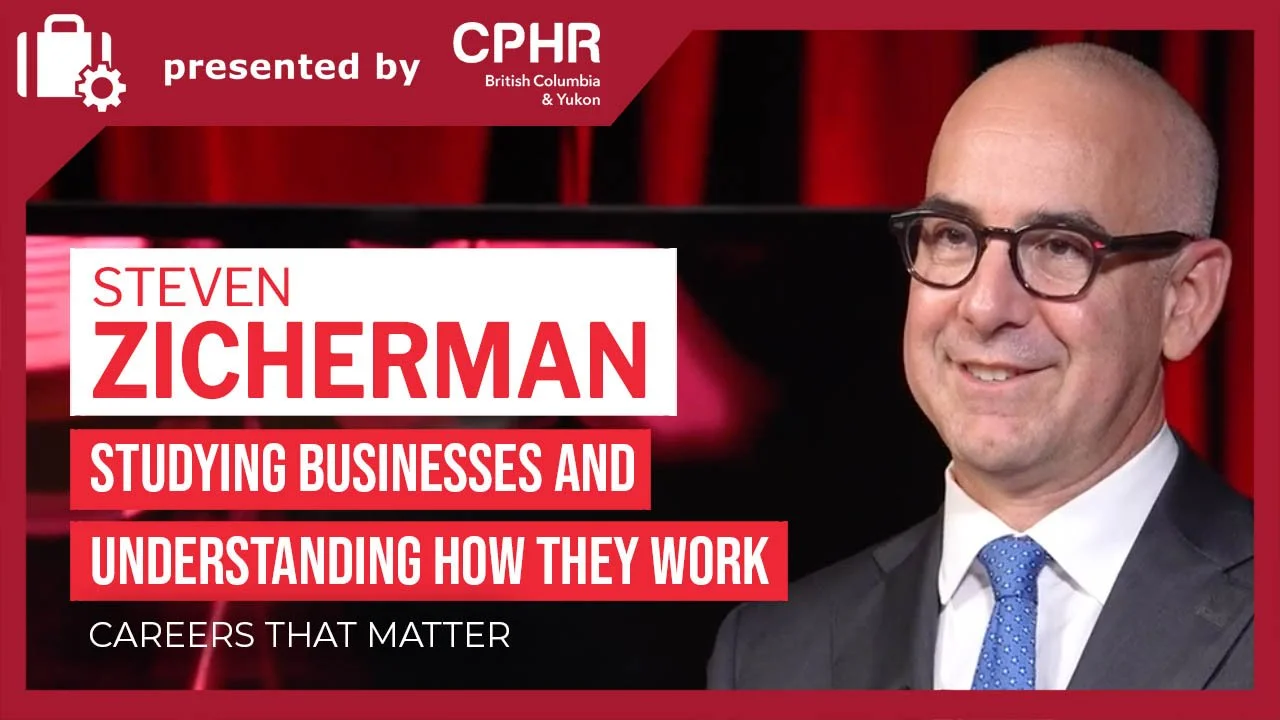
What does a vice-president of research do? This is Steven Zicherman’s role with Odlum Brown – he studies businesses by looking at their financial filings and trying to understand how a company “ticks.” This could be from internal factors within the company but can be affected by its ecosystem and competitors, which need to be taken into account; this requires skills geared towards recognizing patterns and seeing everything with a fresh set of eyes.
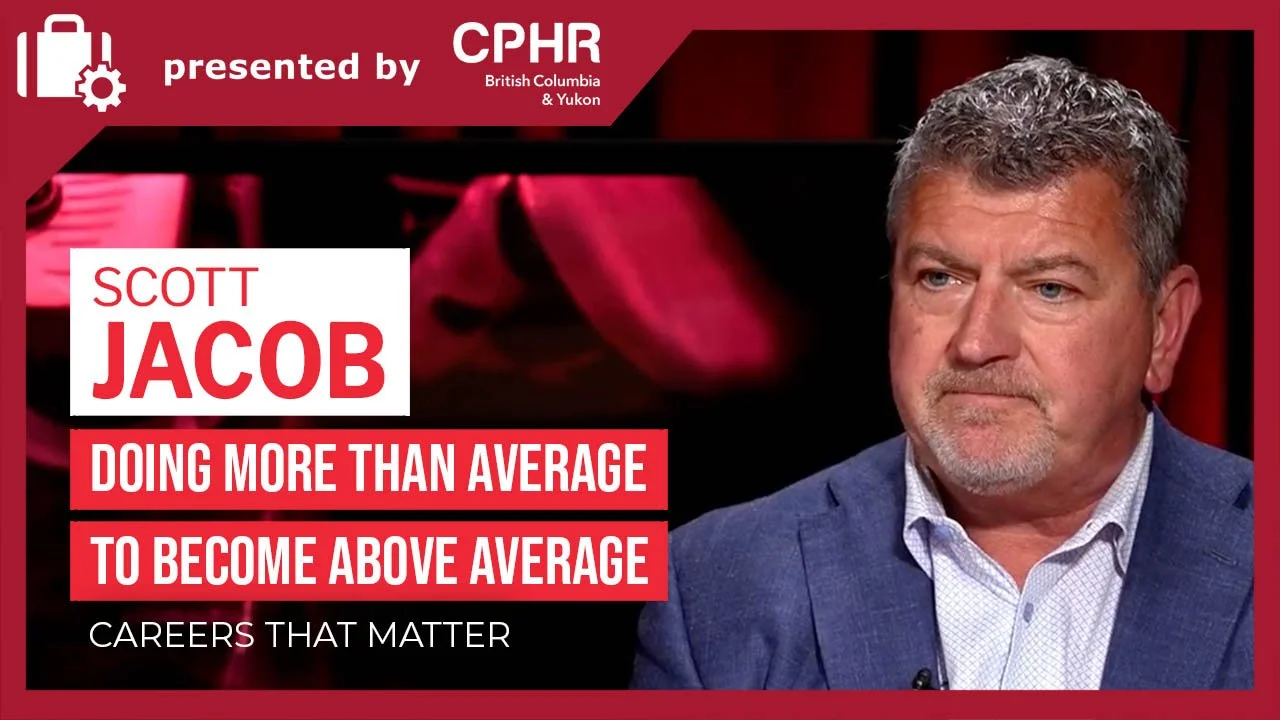
As far as Scott Jacob is concerned, he has the greatest job he can have. As the CEO of Jacob Bros. Construction, he deals with ensuring that the company runs smoothly and clients get what they need, while his brother (and business partner) handles more of the safety and finance. Knowing and realizing the impact of what the company does is what drives him forward every day – he believes that doing more than average is needed to become above average.
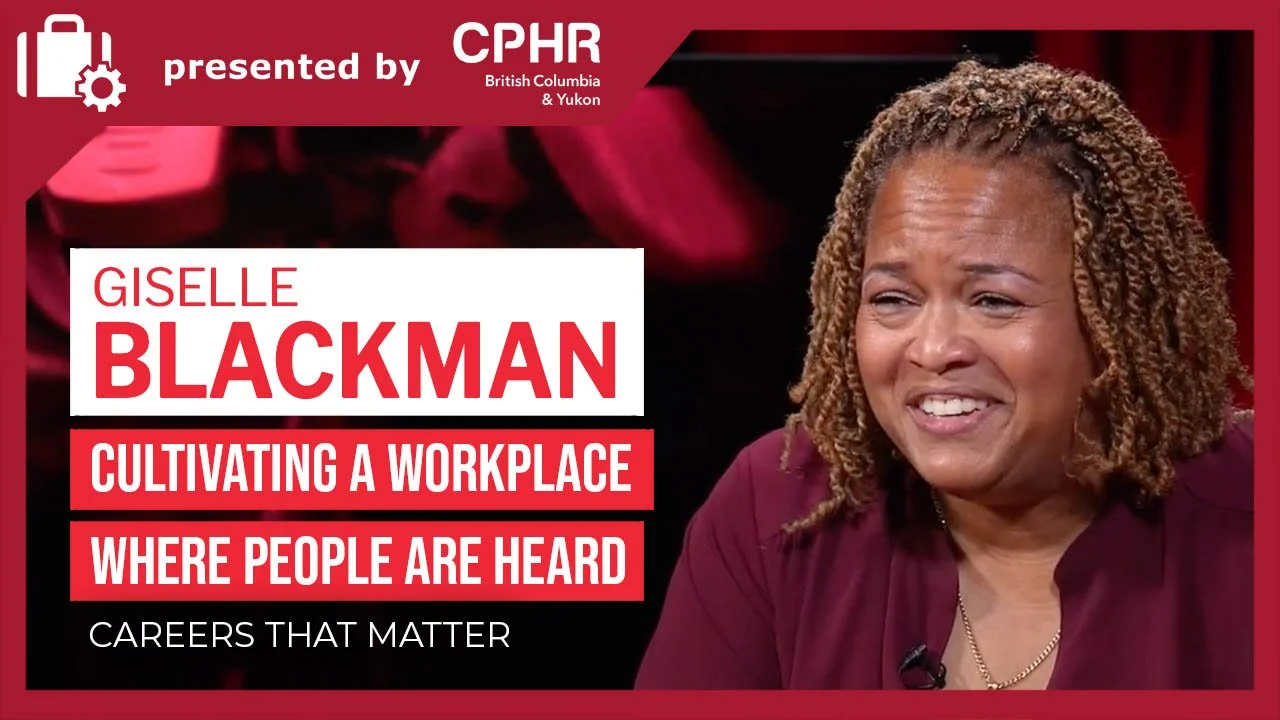
When people think of human resources, there is often a very narrow view of what it is. When Fit Foods hired Giselle Blackman as VP of People and Culture, this was something they wanted to change. How do you make people feel seen and heard? Addressing this is the key to cultivating a positive and healthy workplace – a place that isn’t afraid to ask allegedly “stupid questions” that could lead to innovations and ideas.