Guest: Paul Evans (expert on Canada-China relations)
Being an expert on China is a difficult job in today’s political climate – Paul Evans has to constantly explain that he is “not defending China, [but rather] how to live with China.” As a primary expert on Canada-China relations at the University of British Columbia, there is a demand for his insights nowadays, from the media and beyond. This is a career that he has aimed for right from the start. What makes his journey unique from other professors is that his entire education was in Canada, during a time when this was a difficult path to an academic career.
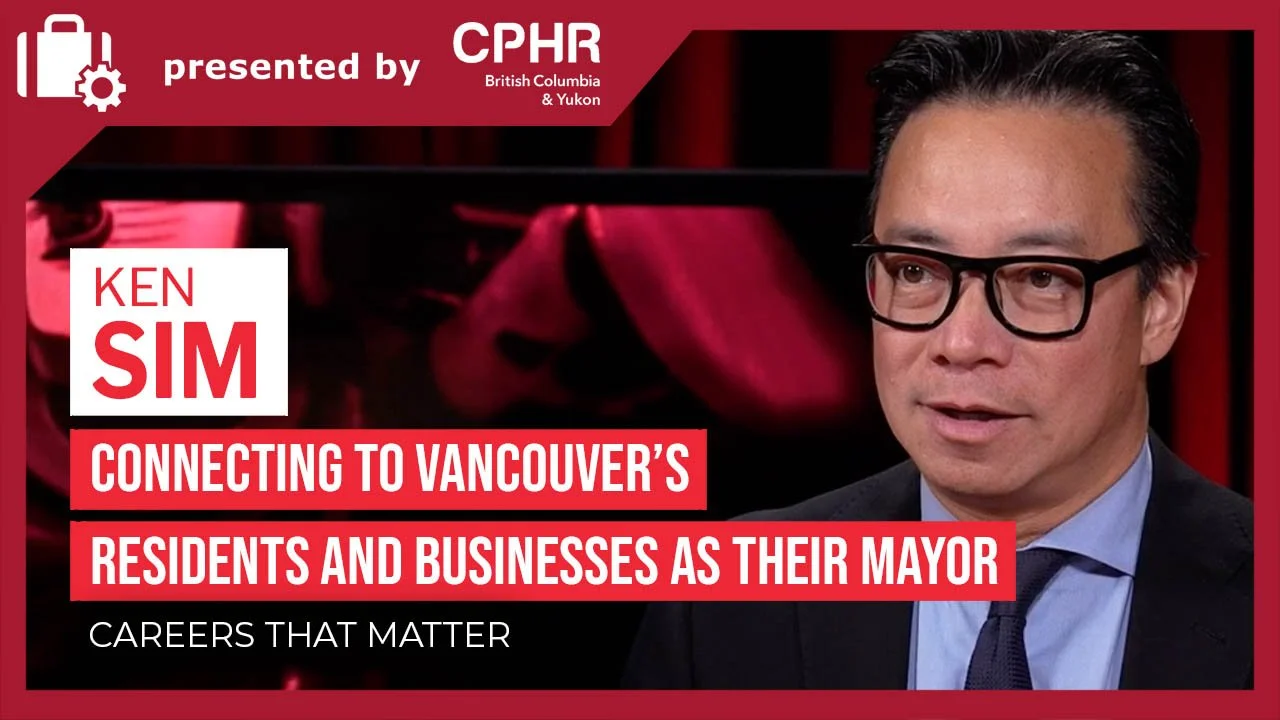
As mayor of Vancouver entering a municipal election, Ken Sim has to transition into an additional role as mayoral candidate. This means this is a double-duty role, having to run the city and run a campaign at the same time. But he sees himself as just one member of the council chamber and campaign team – he follows the advice of the team that he has assembled, connecting to the city’s residents and businesses as much as he can.
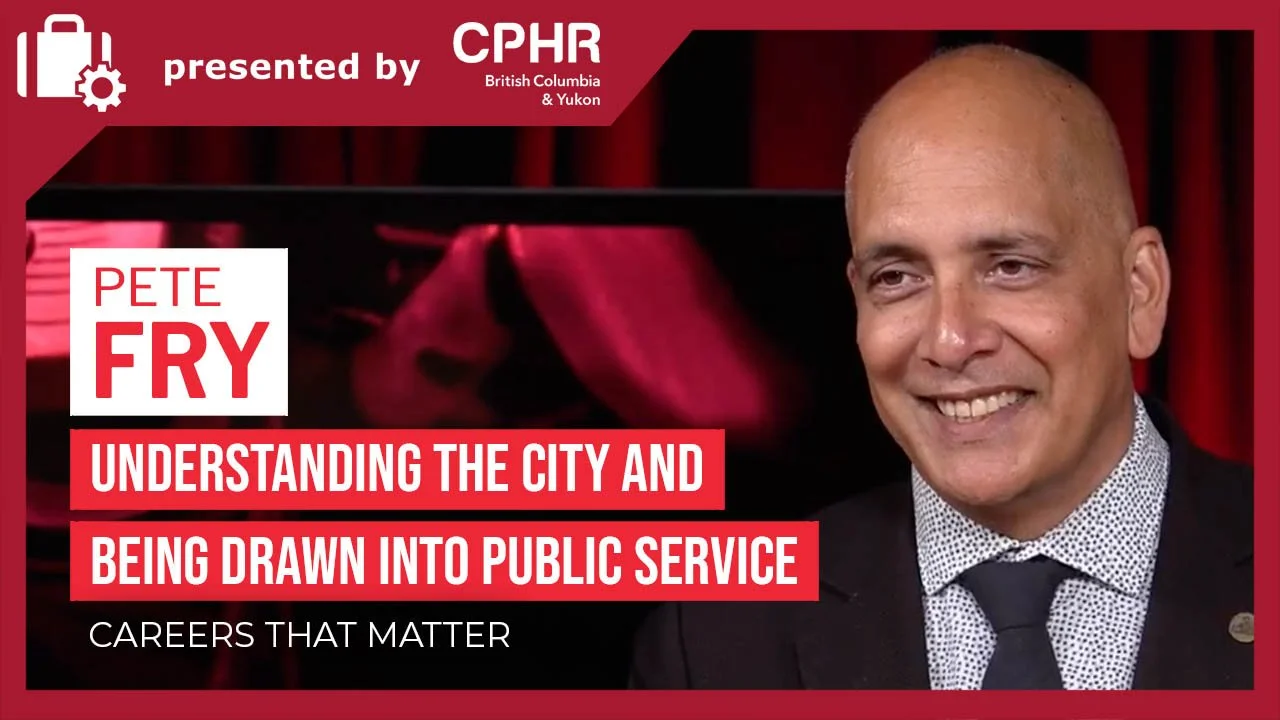
What does it take to be a principled and strong opposition city council member? Pete Fry learned how to do that when he was placed in that situation after the rise of Ken Sim as Vancouver mayor. After all, his journey as an entrepreneur and longtime resident of the city gives him an insight on what it takes to build a life in Vancouver, and his personal struggles allows for an understanding of what families in crisis may go through.
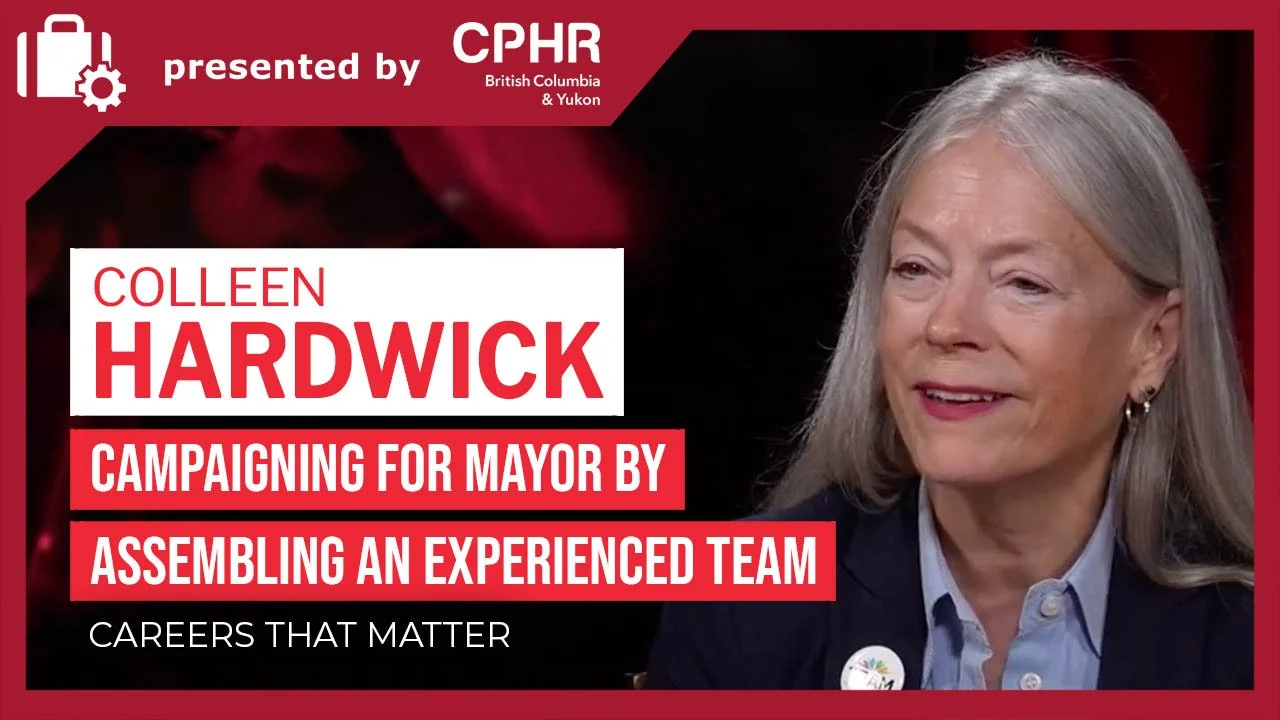
When she was a city council at Vancouver City Hall, Colleen Hardwick wanted to assemble a team that had academic and professional backgrounds, to lead the city in the direction that she felt it should be going. To her, the key to success is to have a team of people who have the experience and background knowledge that can affect the change that the city needs.
Rebecca Bligh is the party leader of Vote Vancouver, but she is aiming higher – she wants to be mayor of the entire city of Vancouver. “We are the ultimate political startup,” she says of the parallels between starting a political party and business. She saw a need for a centrist party in the city, which was not being filled. With the right team that believes in Vancouver, she is hoping to govern in a way that benefits everyone who has a stake in the city.