Guest: Cathy Peters (anti-human trafficking advocate)
Cathy Peters is an advocate for those who cannot advocate for themselves. But she would describe her role as being in prevention education, cultivating her passion for the vulnerable. Her work in preventing child trafficking taps into that passion. This is a path that is almost custom-made for her, as an avid storyteller and absorbing others’ stories by learning and listening. “If I sound a little bit passionate,” she says, “I am.”
How does the Kettle Society, a mental health and housing nonprofit, get its funding? That is the challenge that Michelle Vanderzon tackles, in her role as the director of philanthropy. This is often in the form of grant writing and applications, which relies on a variety of strategies, such as storytelling and building relationships with companies, family foundations, and those who care about the mission.
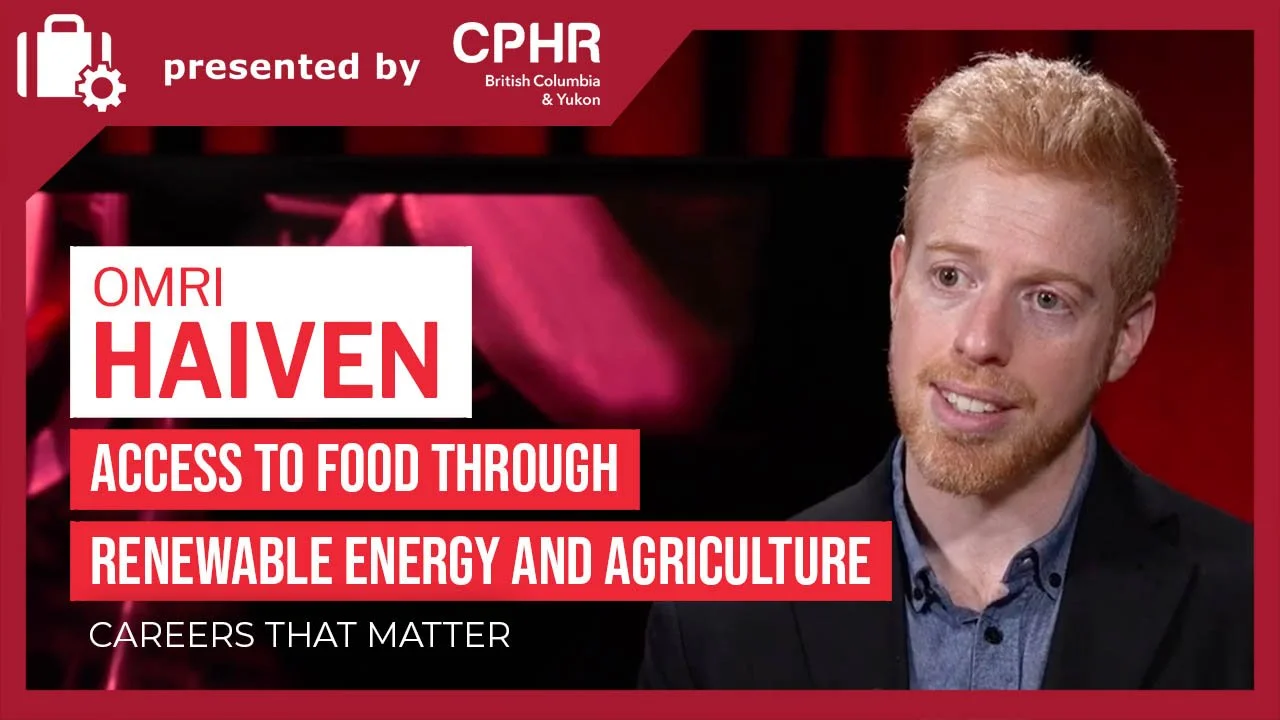
What does it take to coordinate research and engagement on agrivoltaics? For Omri Haiven, that is his job at the Clean Energy Research Group at Simon Fraser University, which specializes in the co-location of renewable energy and agriculture. This passion comes from an interest in food co-ops, which influences access, affordability, and equitable access to food and impacts food security.
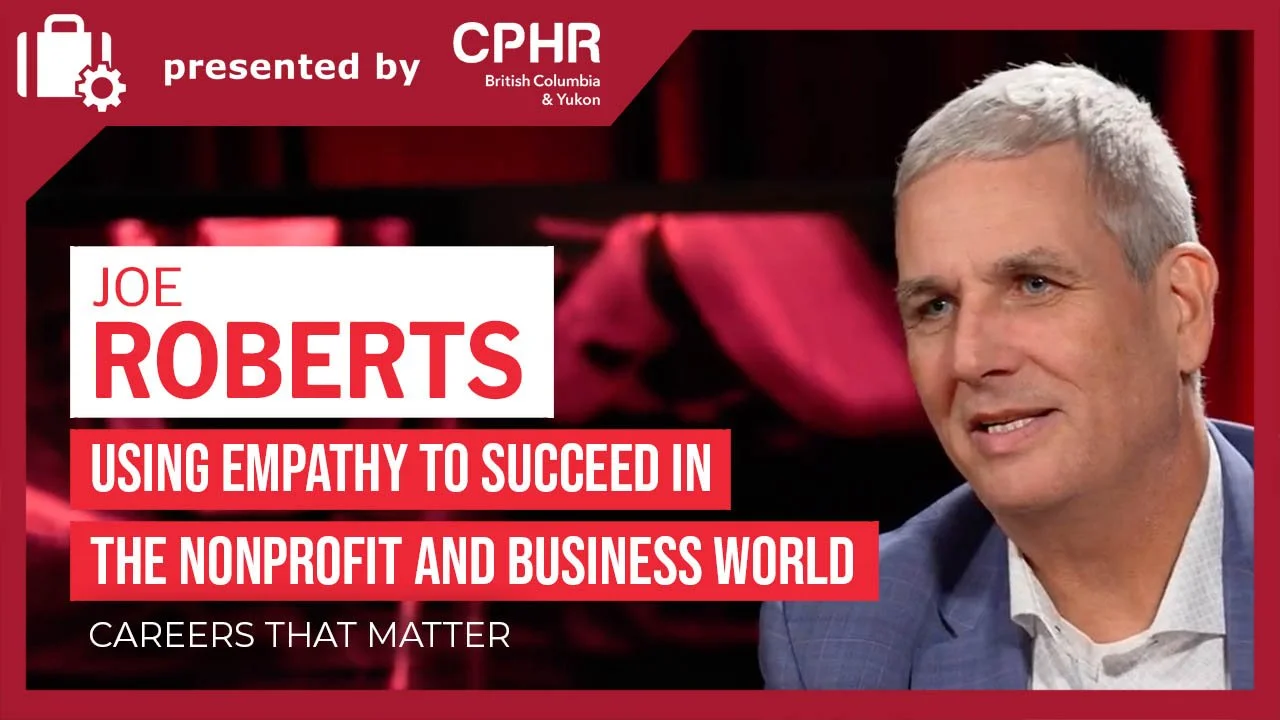
Can “encourager” be a job? For Joe Roberts, that is how he sees himself in a world full of change and uncertainty. In his Push For Change Foundation, he seeks to better protect kids so they don’t fall through the cracks. And he isn’t just all talk – he draws on his own struggles with being a homelessness youth in the Downtown Eastside of Vancouver. On top of his foundation, he also does public speaking at conferences, where he uses his empathy to understand how to speak to each audience.
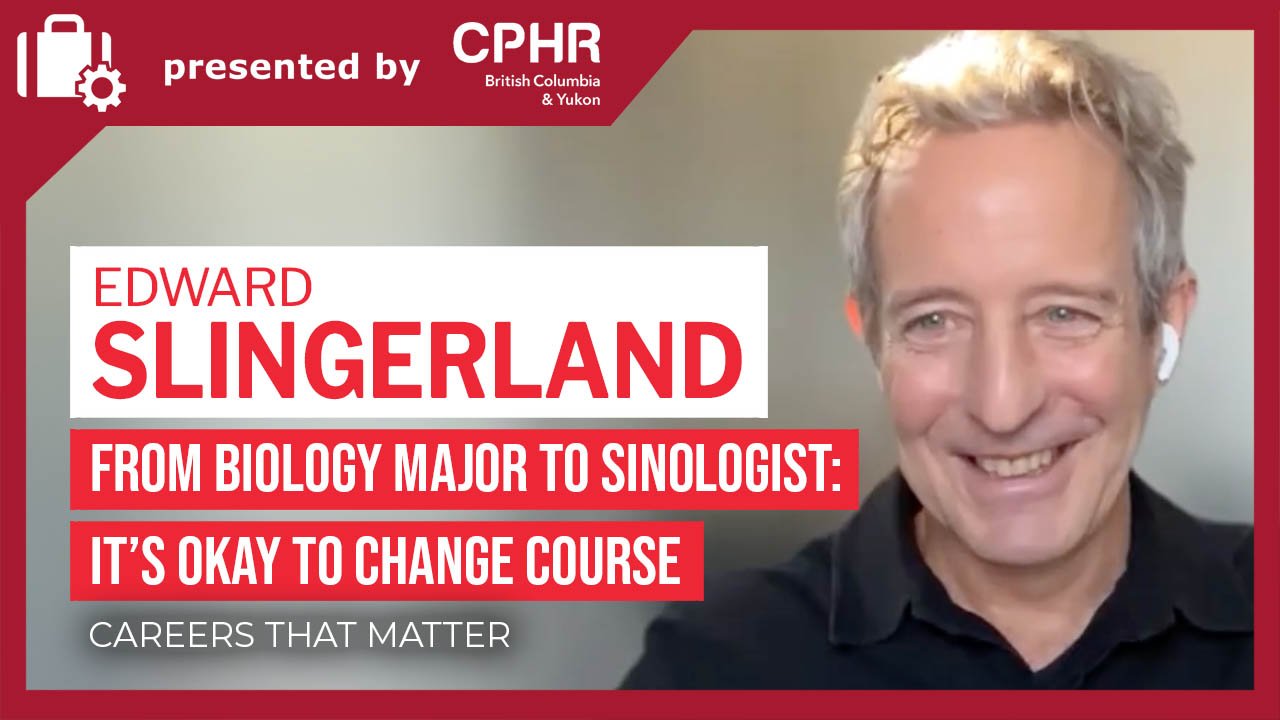
Would you thrive on a typical 9-to-5 schedule? For Edward Slingerland, his answer would be no – the fact that he is on the faculty of two separate universities is proof of that. Not to mention, he is a sinologist and religious studies professor who originally studied molecular biology. After discovering himself, he learned that it is okay to change course if your passion is elsewhere. As he says: “What does your preferred day look like?” – answering that will lead to what you are meant to do.