Guest: David Blackmon (writer about energy policy)
David Blackmon doesn’t see what he does as work; after all, he is doing what he loves, writing articles on energy and running a substack on the topic. It sounds like he knew what he wanted to do in life from the start – but based on what he was like as a youth, nothing could be farther from the truth.
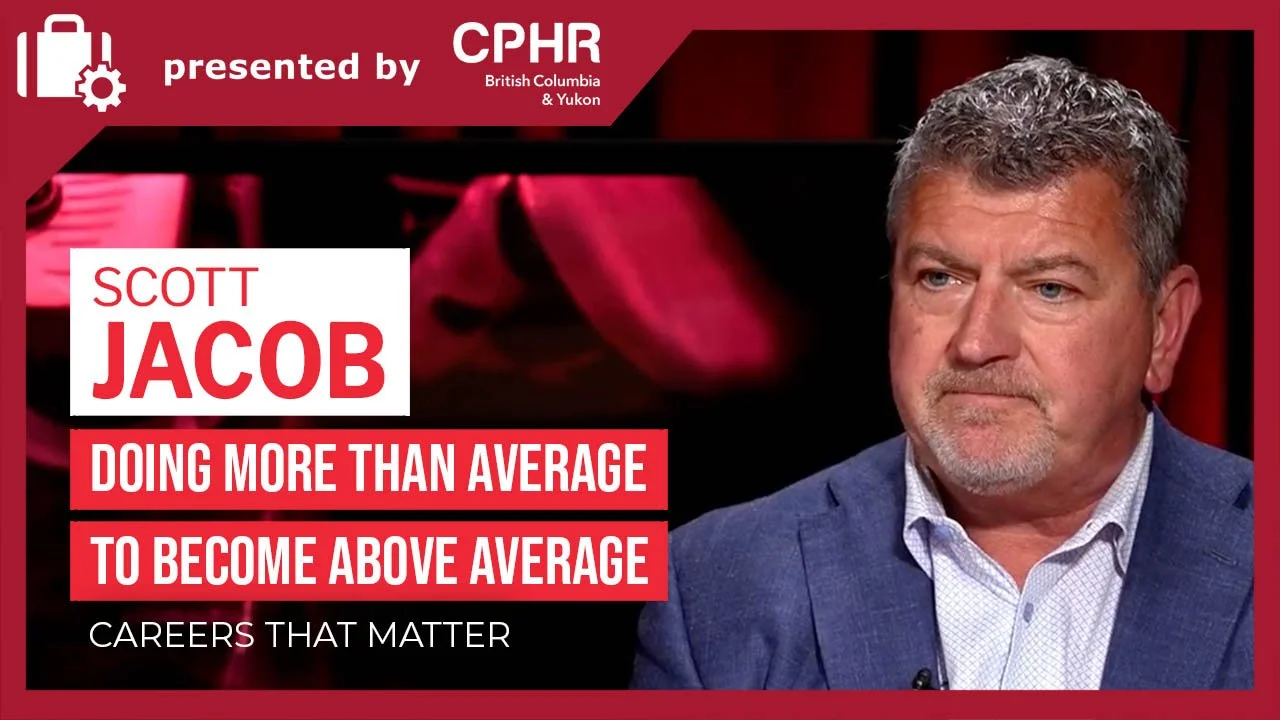
As far as Scott Jacob is concerned, he has the greatest job he can have. As the CEO of Jacob Bros. Construction, he deals with ensuring that the company runs smoothly and clients get what they need, while his brother (and business partner) handles more of the safety and finance. Knowing and realizing the impact of what the company does is what drives him forward every day – he believes that doing more than average is needed to become above average.
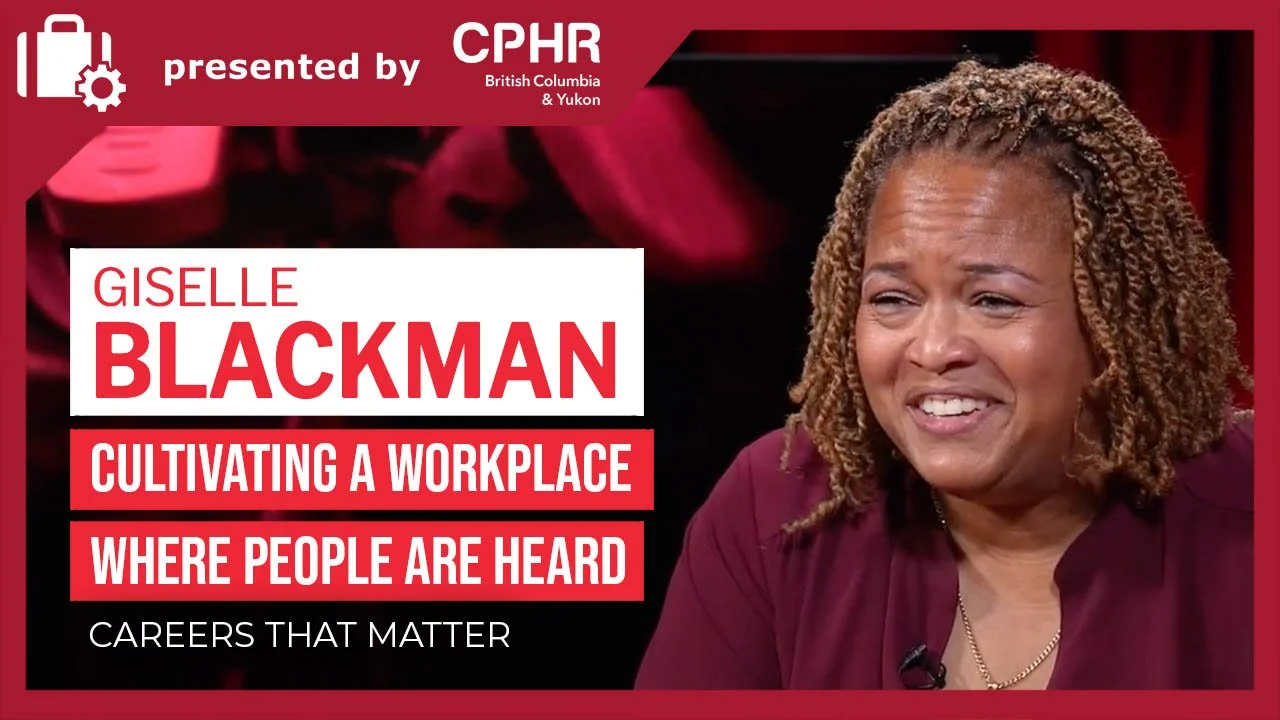
When people think of human resources, there is often a very narrow view of what it is. When Fit Foods hired Giselle Blackman as VP of People and Culture, this was something they wanted to change. How do you make people feel seen and heard? Addressing this is the key to cultivating a positive and healthy workplace – a place that isn’t afraid to ask allegedly “stupid questions” that could lead to innovations and ideas.
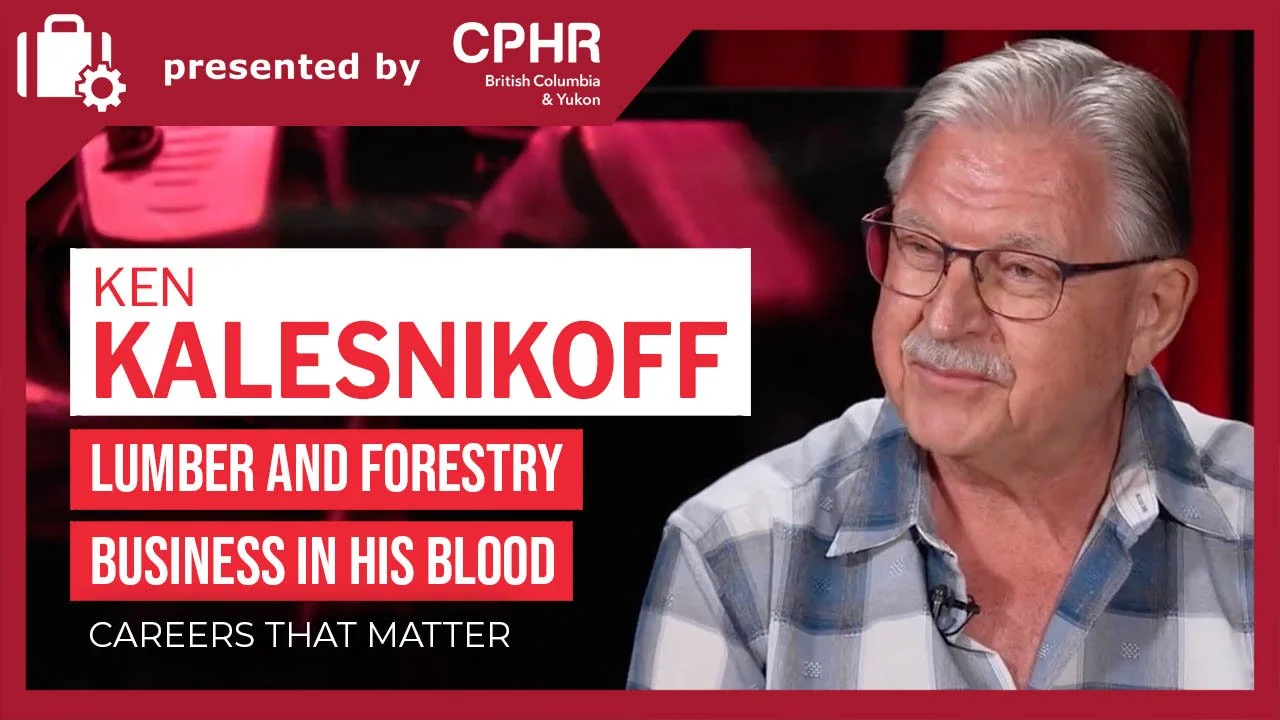
When Ken Kalesnikoff was approached to form a task force around Canada’s lumber industry, it was a tall challenge but he was the right person for the job – it came shortly after his role as the principal leader of Kalesnikoff, a lumber company based in Castlegar, British Columbia. Lumber had always been in his blood, growing up in Thrums, an extremely small logging town between Castlegar and nearby Nelson.
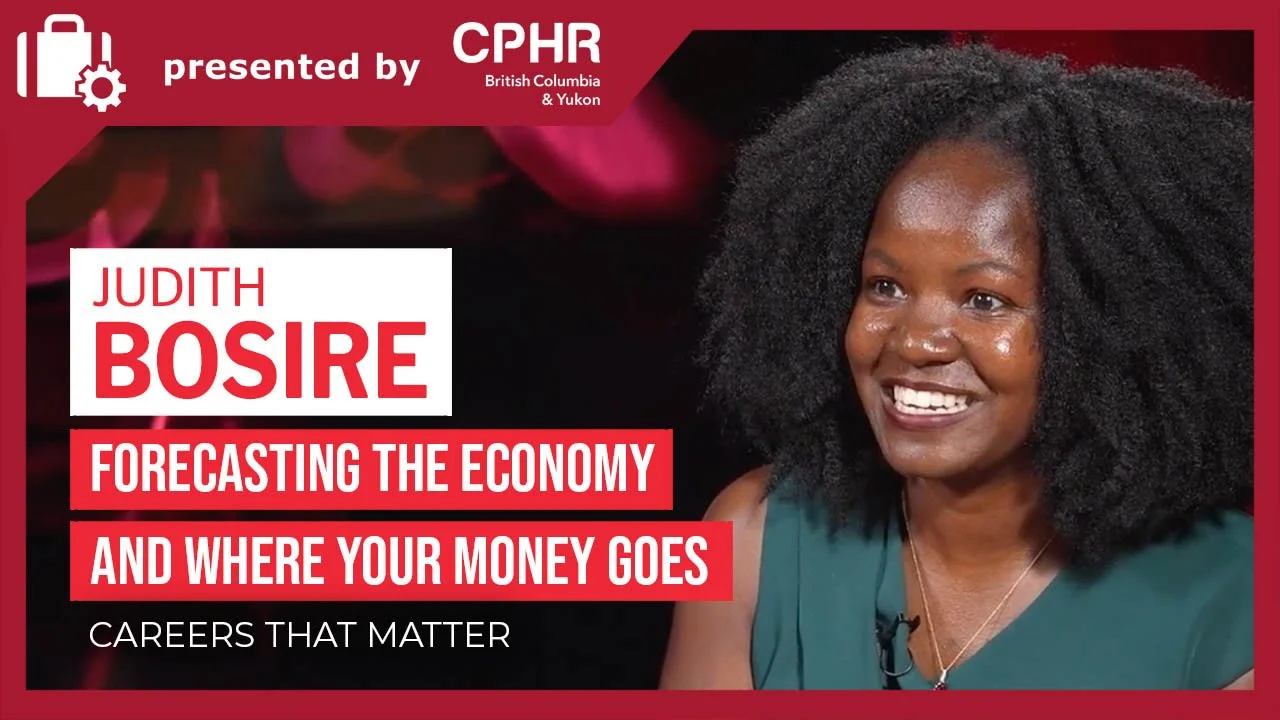
For Judith Bosire, figuring out the economy’s direction is very similar to a weather forecast. As the chief economist at Vancity, this approach allows her to see the risks in where your money can go. This requires taking many data points into account – not only does she need to keep the numbers straight, but also understand how those data points impact the people.